Strength conditioning — Australia-focused tips
Practical strength plans, progressive overload guidance, and recovery practices tailored for home and gym across Australia.
Training tips for beginners to advanced athletes in Australia.
Why strength conditioning matters
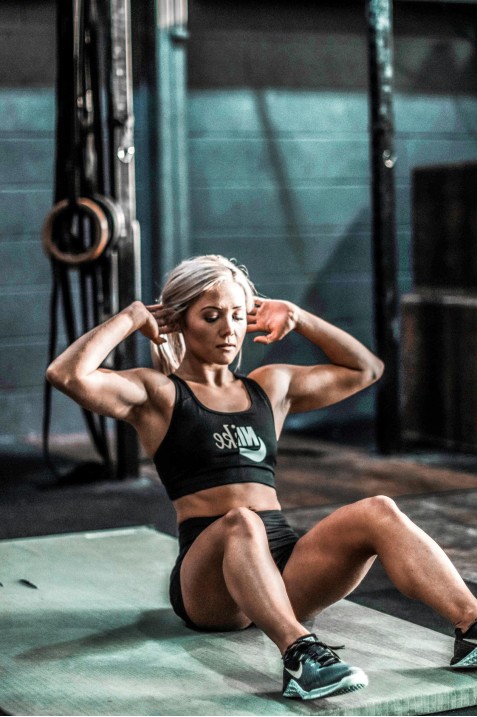
Improves functional movement, metabolic health, bone density and athletic performance. Programs should emphasize progressive overload, balanced volume and consistent recovery.
- Progressive overload — structured progression each 2–4 weeks
- Movement quality — prioritise technique over load
- Recovery — sleep, nutrition, and deload weeks
Sample progressive plans
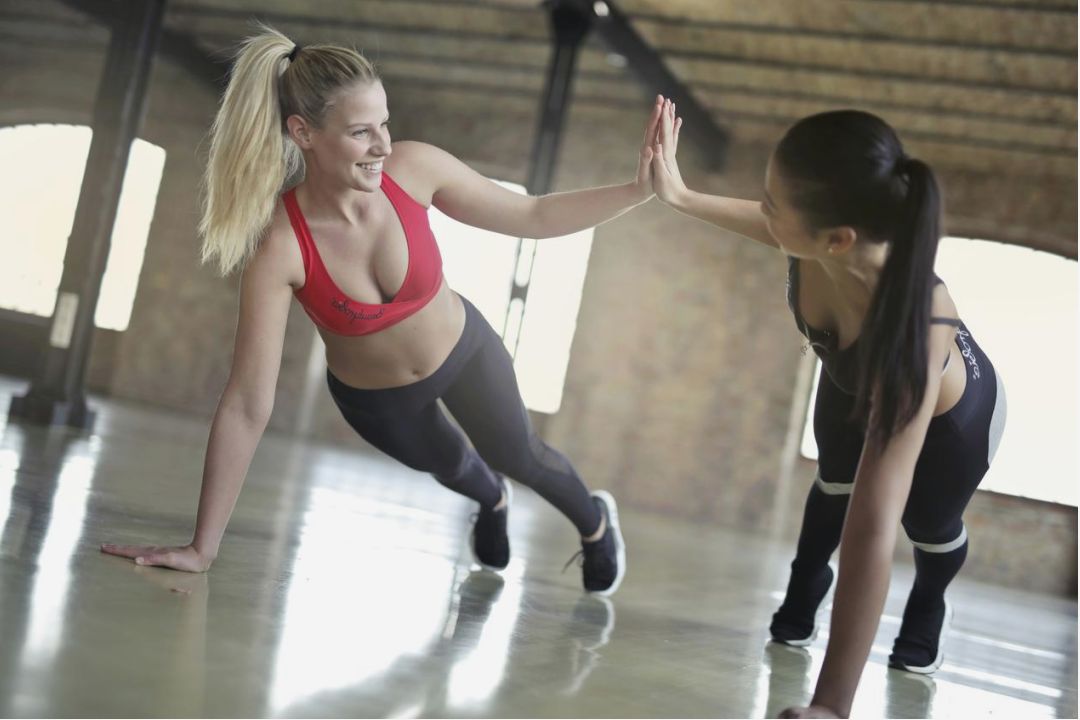
Three approachable tracks you can adapt based on access to equipment and training experience.
Essential equipment — home and gym
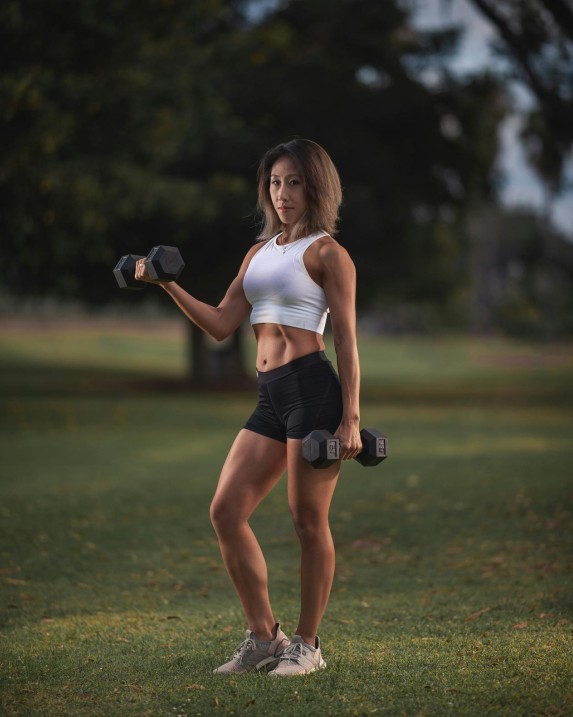
Start with basics: barbell/dumbbells, kettlebell, adjustable bench, resistance bands. Minimal kit enables robust strength progression.
- Barbell + plates: ideal for long-term progress
- Dumbbells: versatile for unilateral work
- Kettlebell & bands: excellent for conditioning and mobility

Nutrition for strength
Support training with adequate protein, energy balance and timing. Aim ~1.6–2.2 g/kg protein depending on goals, prioritise whole foods and consistent meals around sessions.
Quick guidelines
- Protein-rich meals across the day
- Sufficient carbohydrates for training performance
- Hydration and electrolytes for hotter Australian climates

Coach Mia — Melbourne
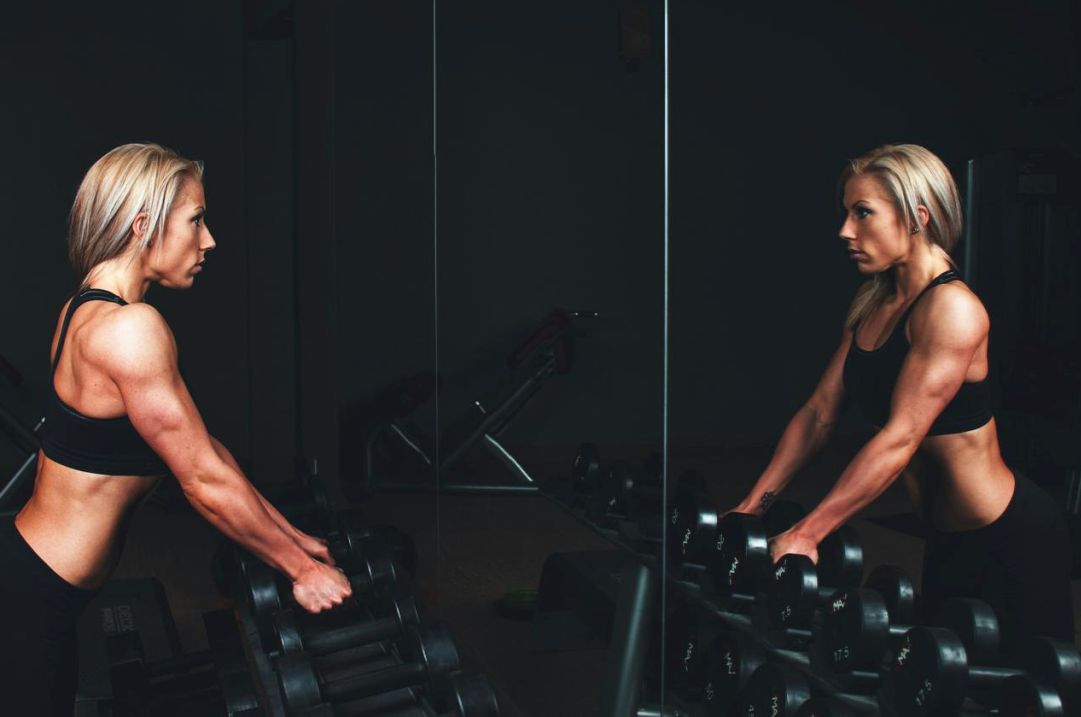
Specialises in progressive overload and injury-aware programming.
Client highlights
"Structured progressions helped me increase squat by 20kg in 4 months — sustainable, enjoyable, and tailored for my schedule." — J. (Sydney)
Frequently asked — quick answers
How often should I train?
2–4 sessions/week for most beginners; increase frequency as volume and recovery allow.
Do I need a gym?
*** — you can build strength with bodyweight, bands and kettlebells, though barbells accelerate heavier loading.
How to reduce injury risk?
Prioritise technique, progressive loading, mobility and scheduled deload weeks.
Where to start in Australia?
Begin with simple 8–12 week blocks, track lifts weekly and consult a coach for personalised adjustments.
Resources & downloads
Free starter templates and checklists to track progress, mobility cues and session examples curated for Australian conditions.
Printable checklists and gym logs